You’re probably doing what most parents do with podcasts. You save three episodes, mean to listen during a commute or while folding laundry, then never get back to them. The result is a queue full of good intentions and very little help when you need an answer fast.
This guide fixes that. It narrows the field to the best podcasts for parents in 2026, sorted by real use case, not hype. If you need better scripts for tantrums, clearer guidance for teens, stronger support as a dad, or a neurodiversity-focused resource, start here.
I’ve also kept time in mind. Some of these shows are best for full listens. Others work well if you scan the key ideas first, then decide whether the full episode is worth your attention. If you want a father-focused companion list, this roundup of best dad podcasts is also useful.
1. Good Inside with Dr. Becky
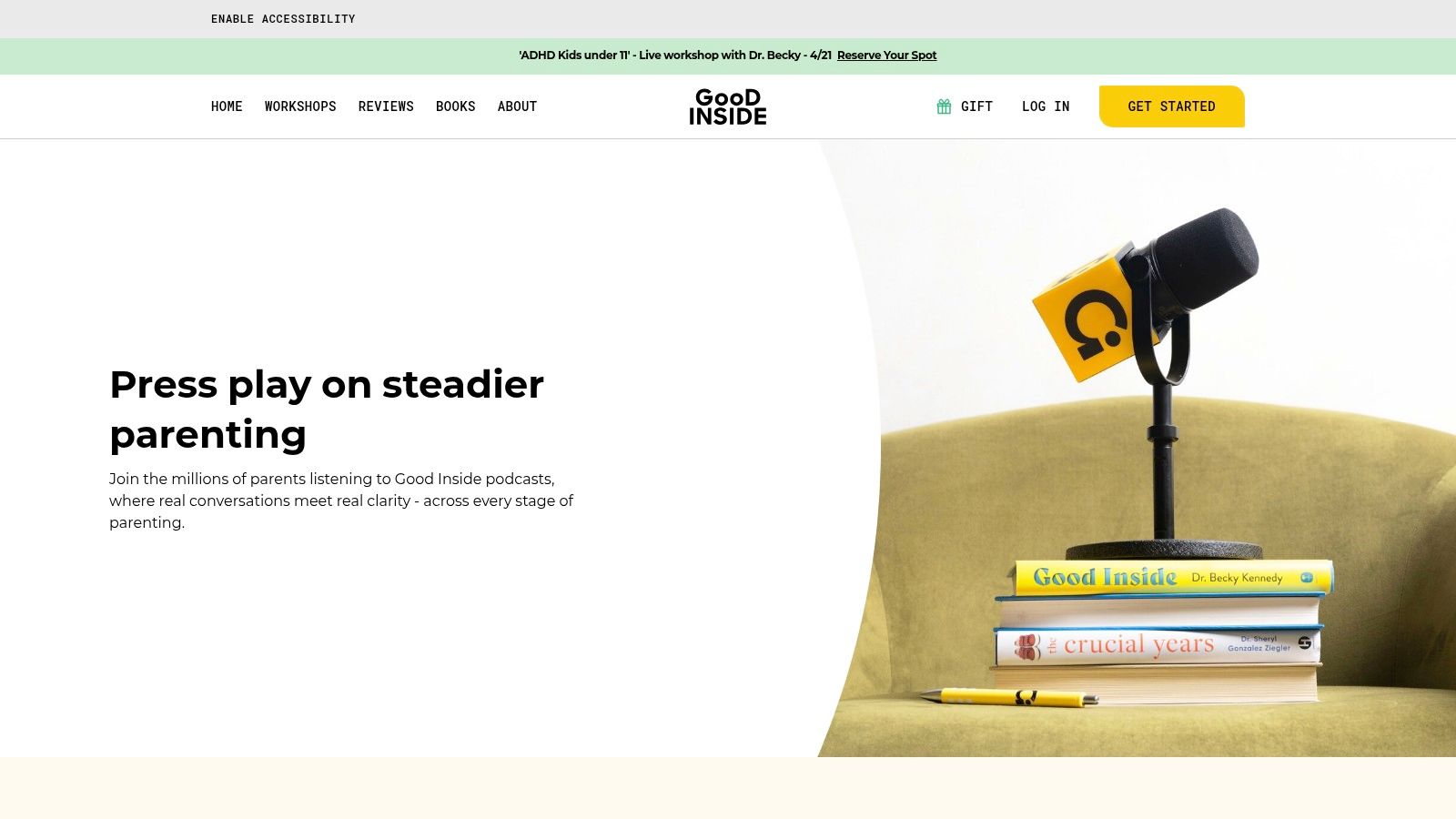
If you want one parenting podcast addressing the widest range of daily friction, pick Good Inside with Dr. Becky. It’s the clearest all-around recommendation on this list.
Dr. Becky Kennedy is a clinical psychologist, and the show stays focused on the questions parents ask in the moment. Tantrums. Sibling fights. Anxiety. Repair after you lose your cool. Screen struggles. The advice is practical, usually language-based, and easy to test the same day.
A big reason it belongs at the top is simple market validation. Nashville Parent notes that Good Inside with Dr. Becky ranks as the #1 parenting podcast on Apple Podcasts’ top shows list, and it also appears consistently across major parenting podcast roundups, including Nashville Parent’s 2025 favorites list: Nashville Parent’s parenting podcast roundup.
Why it works so well
This show is built for parents who need usable phrasing, not abstract theory.
- Concrete scripts: Dr. Becky often gives exact language you can borrow for limits, repair, and connection.
- Flexible formats: Solo episodes, live coaching, and guest conversations keep the feed useful without feeling repetitive.
- Broad age range: It’s relevant from toddler years through the teen years, so you won’t age out of it quickly.
- Strong archive: If you search a common parenting problem, there’s a good chance she’s already covered it.
Best for: Parents who want relationship-first guidance they can use tonight, not just ideas they agree with in theory.
Best fit and tradeoffs
This is the strongest pick for busy parents because it combines authority with accessibility. If you only have time for one show in rotation, this is the safest choice.
That said, the style is more coaching-oriented than data-heavy. If you prefer a show that spends more time weighing studies and research methods, you may want to pair it with something like ParentData or Raising Good Humans. Some episodes also tie into the broader Good Inside membership ecosystem, which won’t matter to everyone.
Use it when you need help with:
- Meltdowns and conflict: Better scripts for tense moments.
- Parent guilt: Repair frameworks after mistakes.
- Emotional regulation: Language that lowers friction instead of escalating it.
If your focus is the earliest stage of parenting, pair this with PodBrief’s guide to best-parenting-podcasts-for-new-parents.
You can browse the show directly at Good Inside.
2. Raising Good Humans with Dr. Aliza Pressman
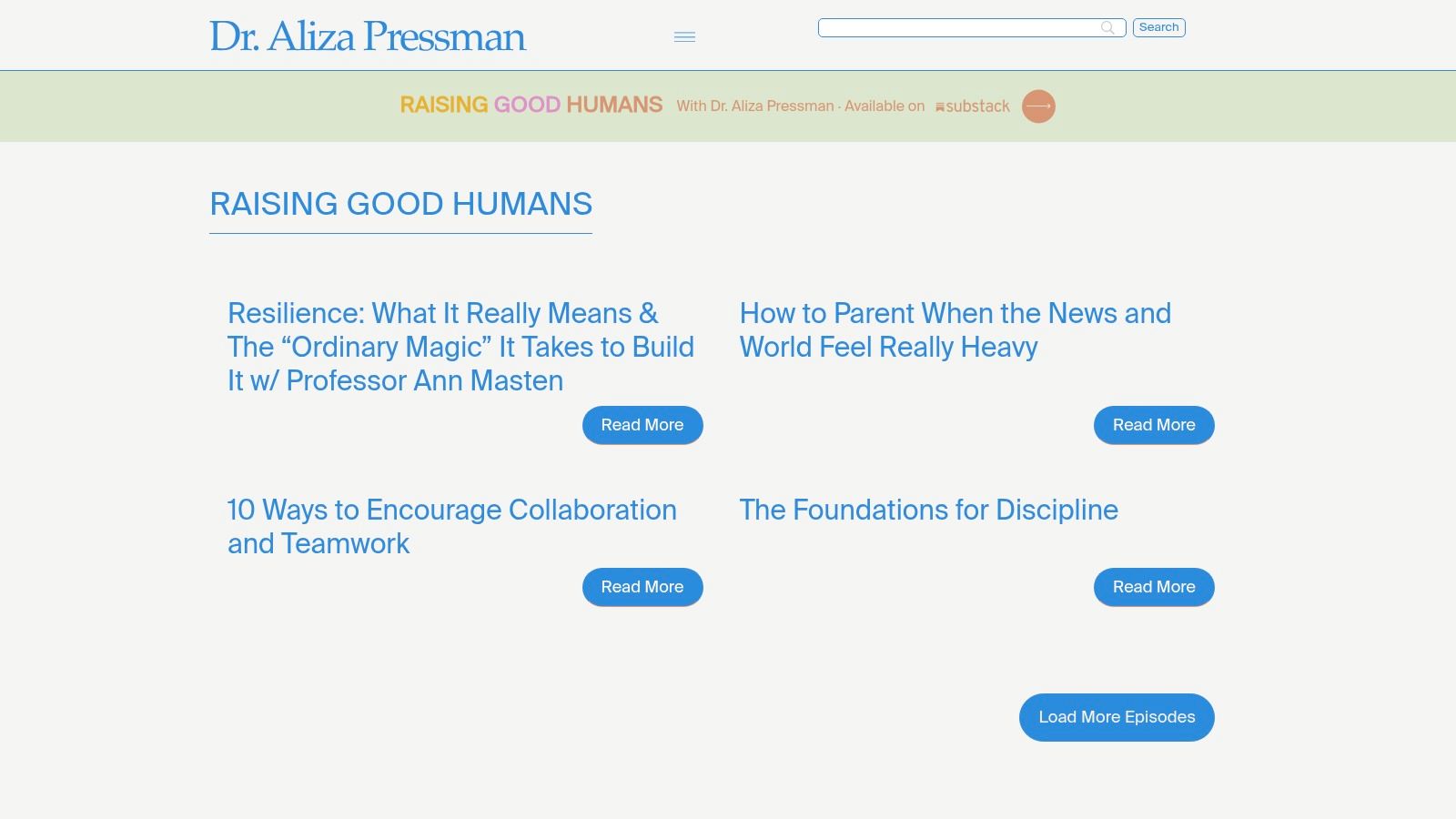
Raising Good Humans is the best choice for parents who like expert interviews but still want practical takeaways. Dr. Aliza Pressman does a good job translating developmental research into family decisions that feel realistic.
The show’s advantage is range. It moves comfortably between sleep, discipline, anxiety, school, learning, friendship, and family systems. That makes it a strong weekly listen if your parenting questions shift from month to month.
Where it stands out
Some parenting shows are highly relatable but light on rigor. Others are smart but hard to apply. Dr. Aliza usually lands in the middle.
Her developmental psychology background gives the show real structure, and the guest mix helps. You get specialists in child development, education, and psychology without the episodes turning into lectures. The mini-episodes are especially useful when you want a shorter listen with one clear takeaway.
A few reasons to keep it in rotation:
- Research-to-practice format: Episodes tend to connect expert insight to daily parenting choices.
- Wide age coverage: Useful from early childhood through adolescence.
- Useful citations: Guests often point listeners toward books and research worth exploring further.
- Balanced tone: Thoughtful, informed, and not preachy.
Best use case
This is a good “default” show when you want to stay sharp across multiple topics, not solve just one recurring problem.
Listen to it if you’re trying to:
- Build a stronger parenting framework: Not just fix isolated issues.
- Understand the why: Especially around behavior, development, and emotional growth.
- Hear different expert voices: Without hopping between unrelated podcasts.
The main downside is density. Some guest segments move fast, and if you’re distracted, you may miss the practical point. Sponsor reads can also interrupt the flow more than they do on some other shows.
Don’t use this as passive background listening if the topic matters to you. It’s better when you give it real attention or review a summary first.
That’s also where a briefing tool helps. For a show like this, it’s often smarter to extract the key framework, decide if the guest’s angle is relevant, and only then commit to the full episode.
You can find the show at Raising Good Humans with Dr. Aliza Pressman.
3. Ask Lisa The Psychology of Raising Tweens and Teens
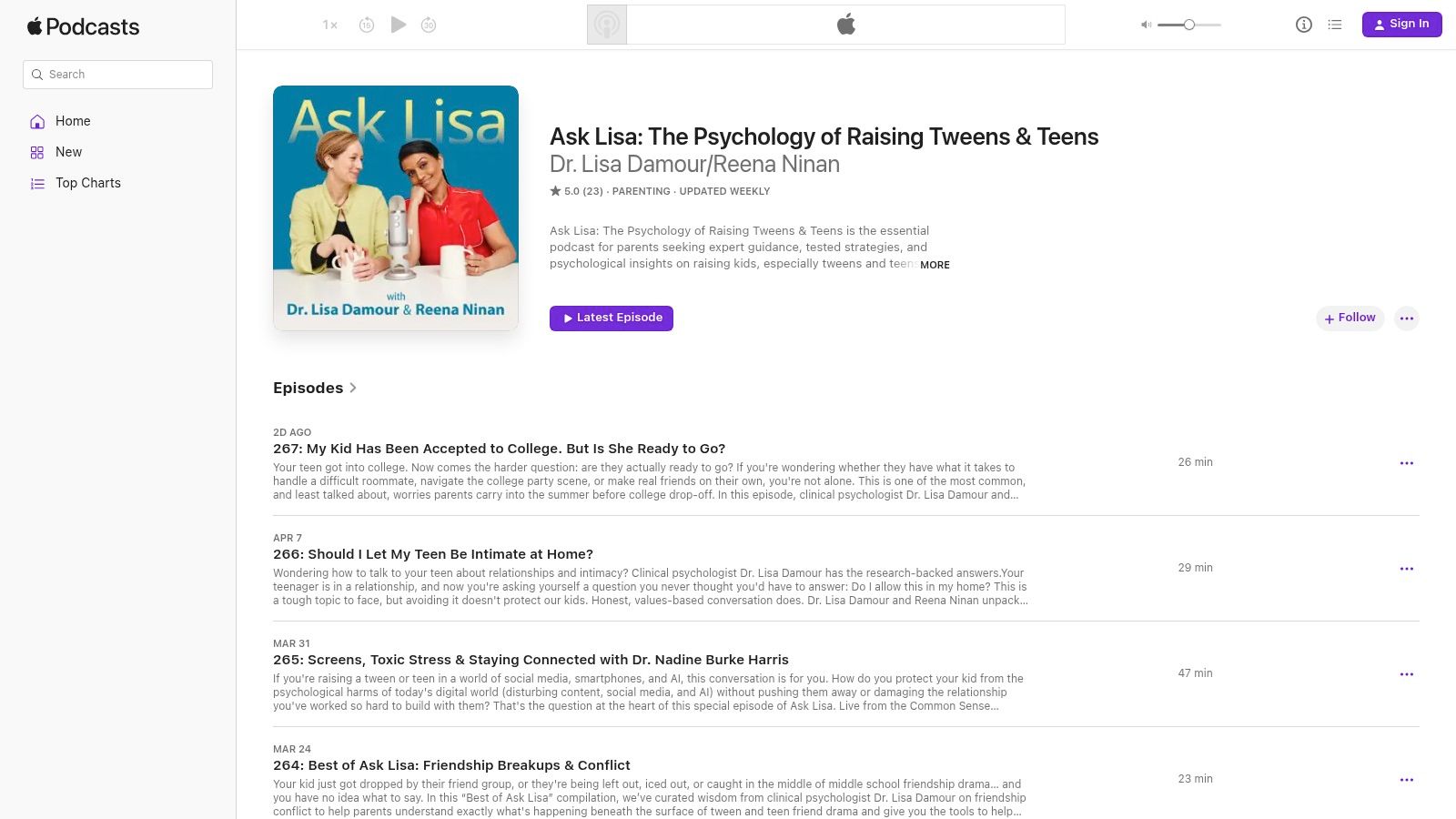
For parents of older kids, skip the general shows and go straight to Ask Lisa. It’s the best podcast on this list for the tween and teen years.
Dr. Lisa Damour brings a psychologist’s lens to adolescent development, and Reena Ninan helps keep the conversations grounded and readable. The result is clear advice on hard topics like motivation, body image, social media, friendships, phones, and the emotional volatility that often shows up in middle school and high school.
Verified category data also supports putting a teen-focused psychology show on your shortlist. Rephonic’s 2025 parenting analysis says over 50% of leading parenting content focuses on evidence-based topics like psychology, specifically calling out shows such as Ask Lisa: Rephonic’s parenting podcast analysis.
Why teen parents should prioritize this one
Parents of adolescents usually don’t need more toddler scripts. They need help staying calm while setting boundaries with a child who can argue, withdraw, or shut down. Ask Lisa is built for exactly that.
- Teen-specific focus: It doesn’t waste your time on stages you’ve already passed.
- Psychological framing: Advice tends to be grounded in how adolescents develop.
- Current topics: The show addresses live issues parents are dealing with now, not just timeless themes.
- Usable communication guidance: It helps with what to say, when to say it, and what not to overreact to.
Good teen advice should lower panic first. Parents make better decisions when they stop treating every rough week like a crisis.
When to use it
This podcast is especially strong when your child’s behavior is no longer simple to interpret. Is your teen pulling away in a healthy way, or struggling? Is resistance normal, or a sign that you need a different response? Ask Lisa helps sort that out.
It’s less useful if you have only very young children. It also leans U.S.-specific at times, especially around school culture and adolescent milestones.
If you’re choosing resources based on emotional well-being, pair this with PodBrief’s roundup of best-podcasts-for-mental-health. That combination covers both parenting strategy and broader family mental health context.
You can listen on Apple Podcasts.
4. What Fresh Hell Laughing in the Face of Motherhood
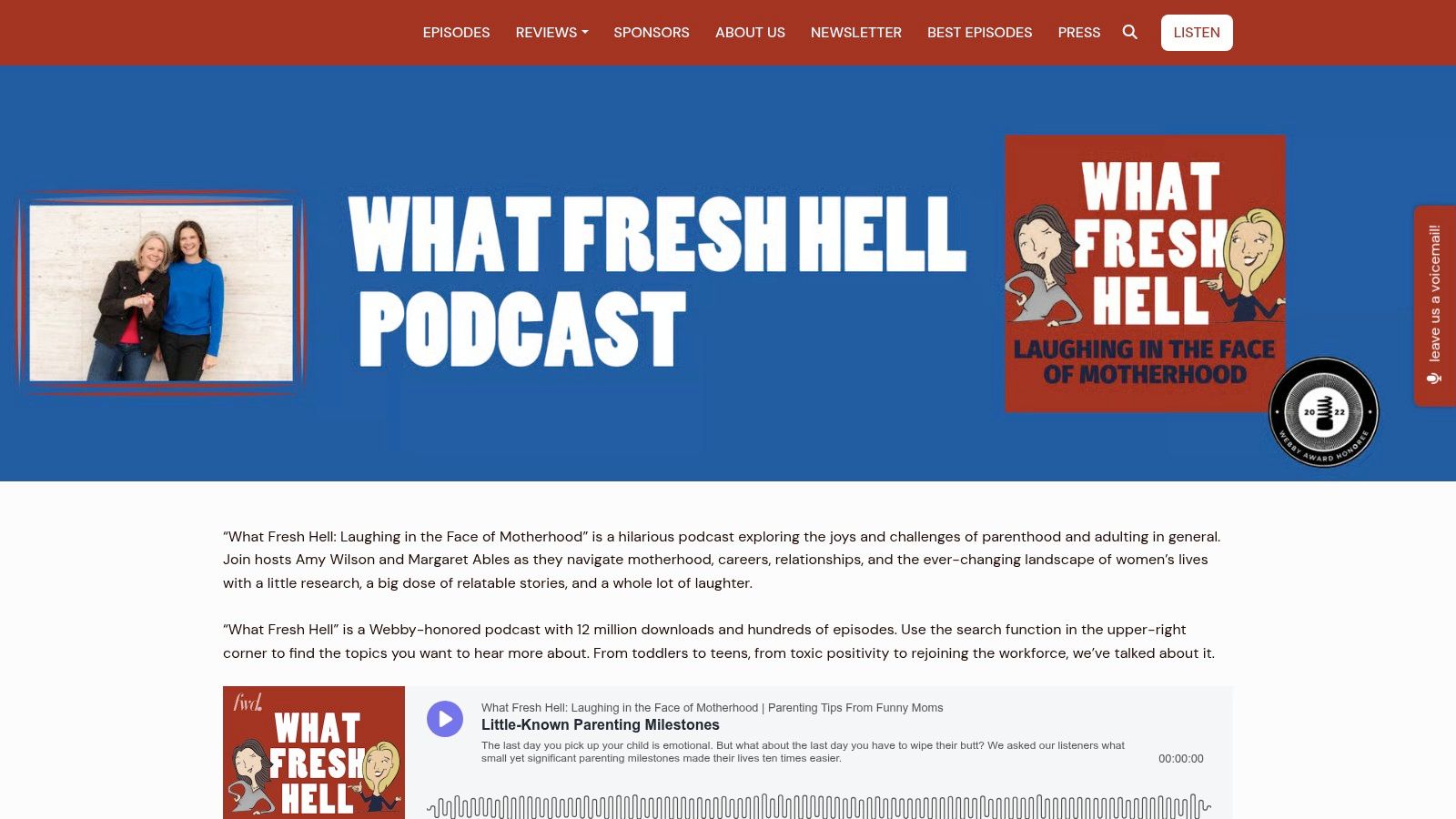
Not every useful parenting podcast needs to sound clinical. What Fresh Hell proves that.
Margaret Ables and Amy Wilson mix research roundups, lived experience, and humor in a way that makes heavier parenting topics easier to absorb. If you’re tired, stretched thin, and not in the mood for another intense expert monologue, this is a smart pick.
Why it earns a place on this list
This show works because it lowers the activation energy. You can start an episode without feeling like you’re beginning homework.
That matters more than people admit. Parenting advice only helps if you’ll consume it. For many listeners, humor is what makes the advice usable.
Its strengths are straightforward:
- Relatable delivery: Easy to stick with when you’re mentally fried.
- Deep topic library: Strong for school-age issues, burnout, routines, and family friction.
- Research-informed tone: Not purely anecdotal, even when the show is playful.
- Bingeable structure: Good for listening in batches when a theme becomes relevant.
Best for burnout and everyday friction
If Good Inside is your “I need a script” show, What Fresh Hell is your “I need perspective and I need it to feel human” show.
This is especially effective for:
- Burnout weeks: When serious content feels too heavy.
- School and home logistics: The recurring friction of ordinary family life.
- Shared listening with a partner: The humor makes it easier to start conversations afterward.
The tradeoff is obvious. If you want a tightly clinical, highly structured expert-led format, this won’t be your first choice. The practical advice is there, but the tone is looser and more personality-driven.
One overlooked benefit is emotional pacing. A lot of parents don’t need more urgency. They need a resource that helps them think clearly without adding guilt.
Some of the best parenting audio doesn’t just teach. It keeps you listening long enough to use the advice.
Browse episodes at What Fresh Hell.
5. Respectful Parenting Janet Lansbury Unruffled
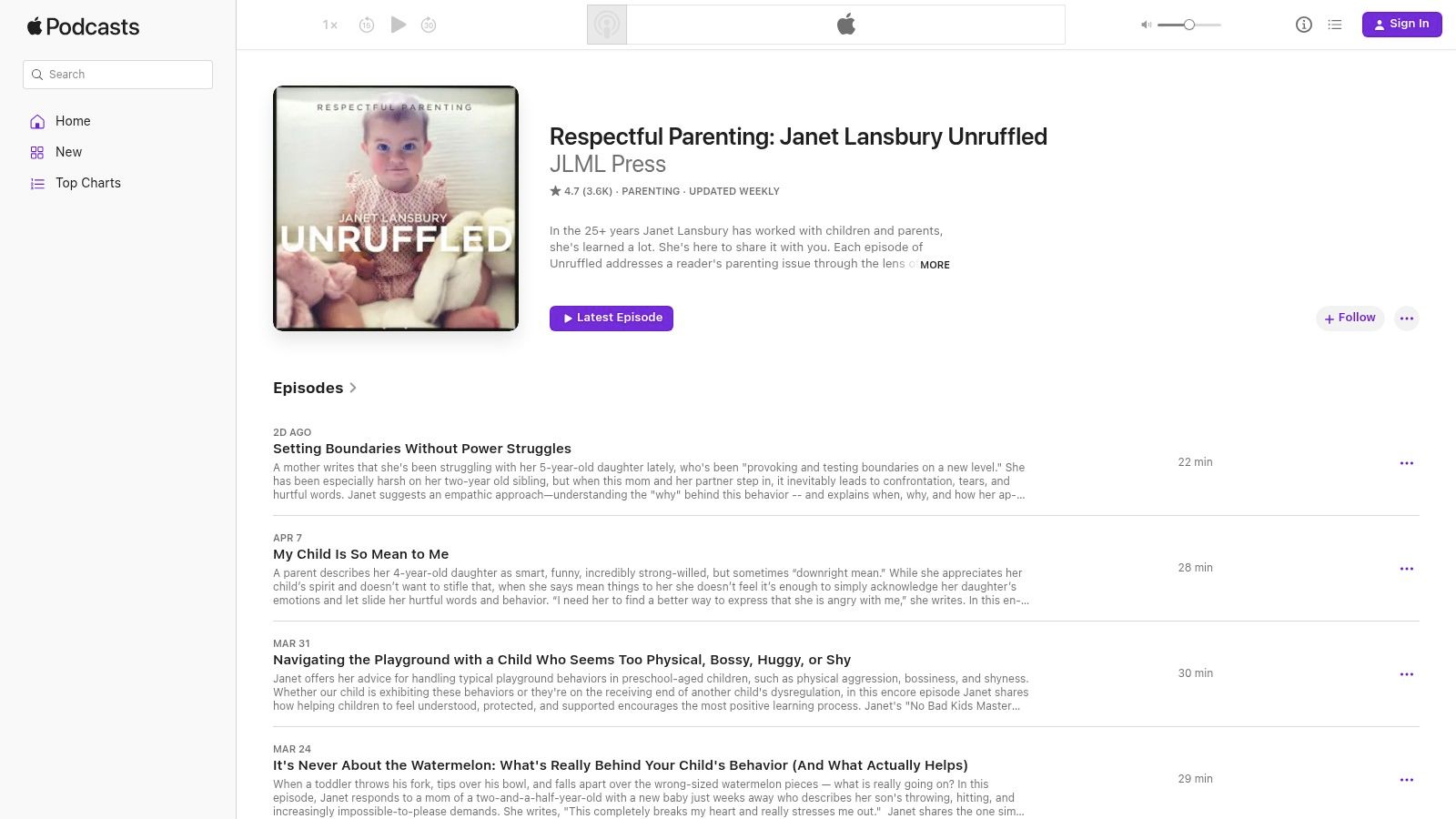
For babies, toddlers, and preschoolers, Janet Lansbury Unruffled is one of the most efficient listens available. Short episodes. Clear framework. Direct scripts.
If your current problems involve hitting, biting, bedtime resistance, clinginess, tantrums, or boundaries with a very young child, this show gets to the point quickly. Janet Lansbury’s approach is consistent, and that consistency is part of the value.
Why young-child parents keep returning to it
Many parents with small children don’t need broad discussion. They need repetition. They need one calm, usable model for responding under pressure.
That’s what Unruffled delivers.
- Early-childhood focus: Strongest for ages 0 to 5.
- Short, focused episodes: Easier to fit into a crowded day.
- Repeatable language: Useful for boundaries, emotional storms, and independence.
- Large archive: Most common early-childhood issues are already covered.
This isn’t a show that tries to cover every family stage. That’s a strength, not a weakness. It stays in its lane and serves it well.
Where it fits and where it doesn’t
Use this when you want to respond more calmly and consistently with young children. It’s especially helpful if you’re trying to stop overreacting, reduce power struggles, and create more predictable boundaries.
The downside is that the respectful parenting philosophy won’t click with everyone. Some parents will find it grounding. Others will find it too prescriptive. It also has limited relevance once your kids move well beyond the early years.
If you want a faith-oriented companion for family listening or values-based parenting, PodBrief also has a guide to best-christian-parenting-podcasts.
You can access the show on Apple Podcasts.
6. The Dad Edge Podcast
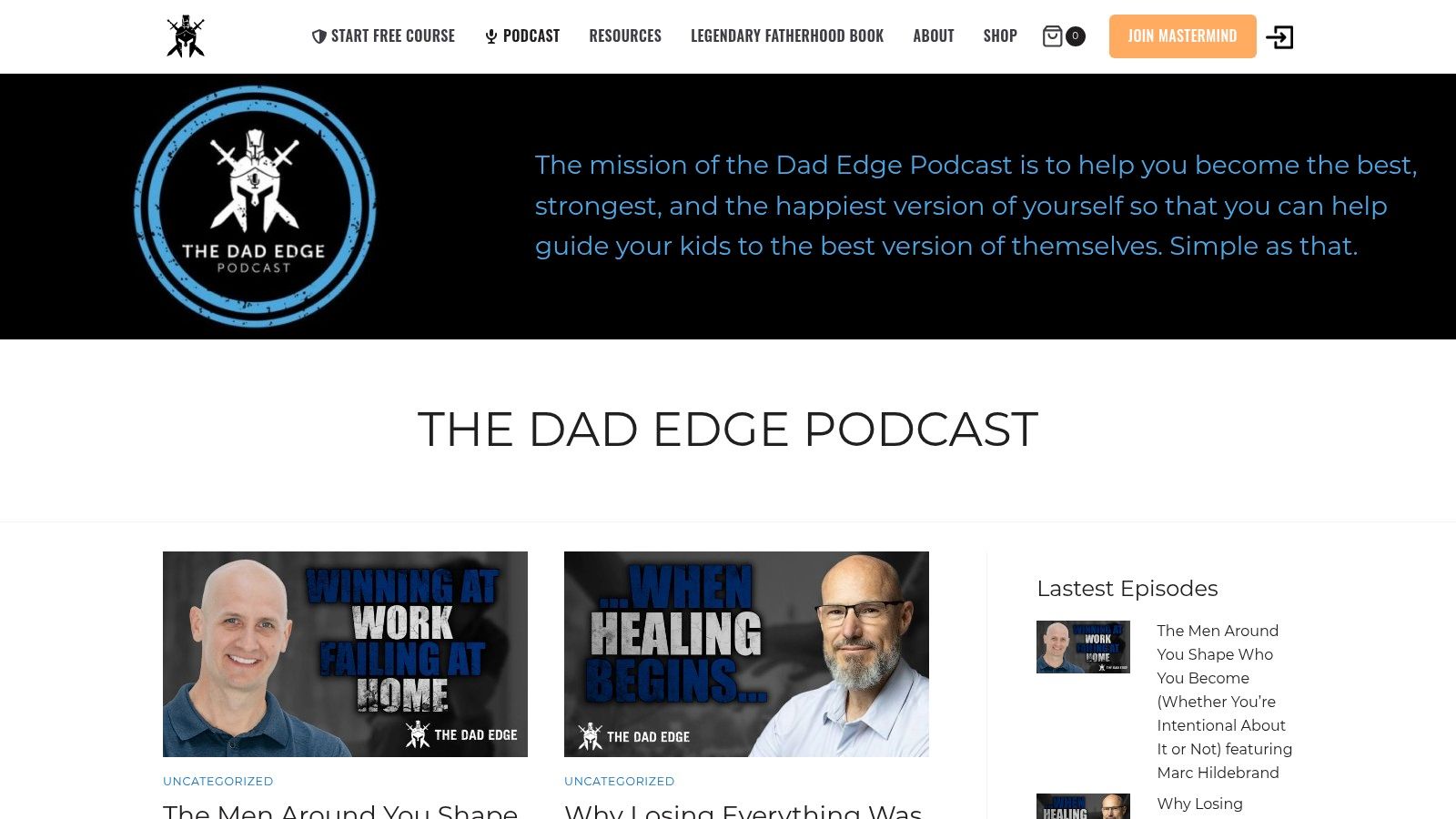
Most best podcasts for parents lists still lean heavily toward moms. That leaves a real gap for fathers who want parenting content that speaks directly to them. The Dad Edge Podcast is one of the better answers.
It focuses on fatherhood, marriage, leadership at home, presence, discipline, communication, and resilience. That combination matters because a lot of dads aren’t looking for a child-development lecture first. They’re trying to become more intentional at home, manage time and tech better, and show up with more consistency.
Why it belongs here
This show offers a distinct lens, not just recycled general parenting advice with “for dads” stamped on it.
Its best episodes tend to work in three areas:
- Father-specific perspective: It addresses responsibilities and pressures many general shows barely touch.
- Action orientation: Episodes often include practical habits, challenges, and behavior changes.
- Relationship focus: Parenting is treated in the context of partnership and family leadership, not in isolation.
- Strong archive: There’s enough depth to find material on connection, emotional presence, and home routines.
For dads who feel underrepresented in parenting media, that directness is useful. It also makes this a good companion listen for couples who want to compare perspectives.
Best for fathers who want practical momentum
The show is strongest when you treat it like coaching. Pick one topic, apply one change, move on. Don’t try to consume everything.
A few good reasons to choose it:
- You want fatherhood-specific language and examples.
- You care about being more present, not just more informed.
- You want content that includes marriage and home dynamics, not just kid behavior.
The tradeoff is inconsistency. As with many guest-driven shows, episode quality depends on the guest and topic. There’s also some promotion of the broader Dad Edge ecosystem.
Still, if you want a parenting podcast that speaks directly to fathers without sounding shallow or performative, it’s one of the better options available.
You can find it at The Dad Edge Podcast.
7. Full Tilt Parenting with Debbie Reber
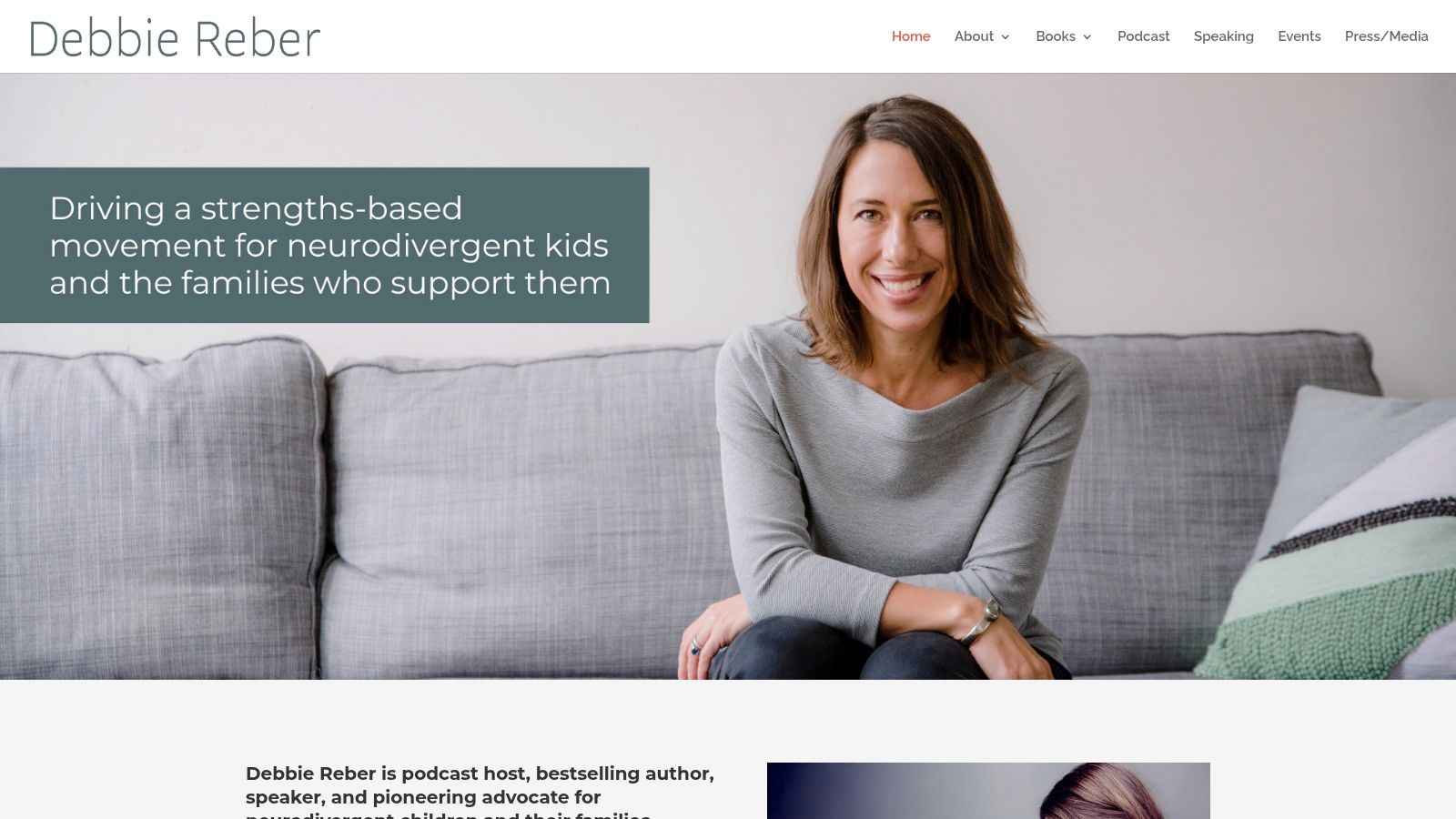
If you’re raising a neurodivergent child, don’t settle for generic parenting advice. Full-Tilt Parenting with Debbie Reber is the most important niche recommendation on this list.
Mainstream parenting roundups often miss this category entirely. That’s a problem because the need is not niche in daily family life. The CDC reports that 1 in 36 U.S. children has autism spectrum disorder, and WHO estimates 1 in 100 globally, yet broad “best parenting podcast” lists often fail to center neurodivergent family realities. That gap is reflected in this discussion of overlooked neurodiversity-focused parenting resources: Laura Froyen’s roundup and commentary.
Why this one matters
Debbie Reber’s show is built for families dealing with ADHD, autism, PDA, learning differences, twice-exceptionality, executive function issues, school advocacy, and day-to-day life with differently wired kids.
That specificity changes everything. Parents in this situation usually don’t need generic reminders to “stay calm” or “be consistent.” They need frameworks that account for sensory needs, nervous system overload, school friction, and the reality that standard parenting advice often doesn’t apply cleanly.
- Neurodiversity-affirming lens: The show doesn’t frame difference as a defect to fix.
- Useful expert bench: Clinicians, educators, and experienced parents bring practical depth.
- Home and school relevance: Helpful for advocacy, supports, and collaboration.
- Strong archive: The earlier TiLT Parenting catalog adds real depth.
Worth knowing: This is one of the clearest examples of an underserved parenting need. If your family is navigating neurodivergence, a specialized resource will save you time and reduce bad-fit advice.
Who should start here
Choose this first if your child is neurodivergent or if you suspect conventional parenting advice keeps missing the mark in your home.
The only real drawback is length. Some episodes are substantial, and that makes them ideal for summarization before listening. This is exactly the kind of podcast where scanning a concise brief first can save you from spending an hour on an episode that isn’t relevant to your current challenge.
You can explore the show at Debbie Reber’s website.
Top 7 Parenting Podcasts Comparison
| Podcast | Implementation complexity 🔄 | Resource requirements ⚡ | Expected outcomes ⭐📊 | Ideal use cases 💡 | Key advantages ⭐ |
|---|---|---|---|---|---|
| Good Inside with Dr. Becky | Low–Moderate, short, skills‑based coaching and live Q&As | Low, short/mid episodes; optional paid ecosystem | Immediate, repeatable language for repair, limits, connection | Parents wanting day‑to‑day coaching and quick wins | Concrete scripts and actionable coaching techniques |
| Raising Good Humans with Dr. Aliza Pressman | Moderate, research‑driven interviews sometimes dense | Moderate, episodes cite studies; may require note‑taking | Evidence‑based strategies across developmental stages | Parents seeking research‑to‑practice guidance for varied ages | Strong academic grounding with clear citations |
| Ask Lisa: The Psychology of Raising Tweens & Teens | Low–Moderate, plain‑spoken, step‑by‑step adolescent focus | Low, weekly episodes; some U.S. context assumed | Clear boundary/communication templates for teens | Parents of tweens and teens dealing with current issues | Teen‑specific, empathetic and actionable guidance |
| What Fresh Hell: Laughing in the Face of Motherhood | Low, conversational, humor‑forward format | Low, entertaining, bingeable episodes; optional ad‑free tier | Reduced overwhelm; relatable takeaways, lighter research | Parents wanting relatable, low‑friction listening | Entertaining, highly relatable with practical summaries |
| Respectful Parenting: Janet Lansbury Unruffled | Low, short, focused Q&A with consistent framework | Very low, bite‑size episodes and specific scripts | Calm limit‑setting and independence for ages 0–5 | Parents of infants, toddlers, preschoolers | Concise, repeatable scripts and a consistent approach |
| The Dad Edge Podcast | Moderate, interview mix with variable guest quality | Moderate, longer episodes and active community options | Improved fatherhood mindset, presence, and practical tactics | Fathers seeking father‑specific leadership and relationship tools | Father‑focused perspective with actionable challenges |
| Full‑Tilt Parenting (formerly TiLT Parenting) | Moderate–High, in‑depth, specialist interviews and long episodes | High, long episodes; specialized content requiring focus | Practical advocacy, IEP/504 guidance, strength‑based strategies | Families raising neurodivergent or differently‑wired children | Highly specific, neurodiversity‑affirming, expert guests |
Get Actionable Parenting Insights in 5 Minutes
It is 9:47 p.m. You have one parenting problem you want help with, six saved episodes you will never finish, and no patience for vague advice.
Use this list to choose fast.
Pick the show by need, then decide whether the episode deserves your full attention. If you need scripts for meltdowns, repair, or power struggles, start with Good Inside with Dr. Becky. If you want research-based guidance that helps you make better decisions across stages, use Raising Good Humans. If the issue is social pressure, boundaries, shutdowns, or conflict with older kids, go straight to Ask Lisa. If you want relief and useful perspective without turning parenting advice into a second job, play What Fresh Hell. For toddlers, tantrums, and firm limits, Janet Lansbury Unruffled is the efficient choice. Fathers who want direct advice on presence, marriage, and leadership at home should queue The Dad Edge Podcast. If your child is neurodivergent and generic parenting advice keeps falling short, start with Full-Tilt Parenting.
The goal is not to consume more. The goal is to get the right idea, from the right show, at the right moment.
A simple listening filter saves time:
- Start with the current problem. Do not browse by popularity.
- Check age and stage first. Newborn advice will not help with a teen who has stopped talking.
- Look for one usable takeaway. Save the script, question, or reframing you can try today.
- Reserve full listens for high-fit episodes. Skip the rest without guilt.
That is the practical use case for PodBrief. It summarizes long parenting podcasts and videos into short, readable briefs, so you can review the main points in minutes and decide what is worth a full listen. If you want less podcast backlog and better parenting decisions, start here: https://podbrief.io